

Do you know what varieties of olive types exist in Spain? ⚠️ From Aceitunas Chicón Lebrón, we talk about them✅ Don’t miss out!☝️
The type of climate and the land of each Spanish region make the olives produced in each of them unique, and therefore, the taste of each olive oil will be different depending on where the olives that compose it have grown and been processed.
Our country is one of the major producers of olive oil in the world because the olives produced in Spain are of great quality. Up to 300 olive varieties can be found in the crops, especially the olives from Antequera. In this article from the Aceitunas Chicón Lebrón Blog, we wanted to talk about the most relevant olive types in Spain.
What are the types of olives available?
Depending on their culinary uses and their degree of ripeness, olives are classified into various types. Each variety has unique characteristics and flavors, adapting to different purposes and their state of ripeness at the time of harvest.
Types of olives according to their harvesting time
According to the time they are harvested, olives are classified into three main categories:
- Green olives: Harvested before reaching full maturity, these olives have a more pronounced flavor, with bitter and spicy nuances.
- Olives transitioning in color: These olives are in an intermediate state of changing color, transitioning from intense green to purple or reddish tones.
- Black olives: At their optimal ripeness, these olives exhibit a black skin and white flesh. If left beyond their ideal point, the flesh may acquire reddish hues and a less intense flavor.
According to their use: Destined for oil or direct consumption?
Likewise, olives are divided into two main categories according to their final purpose:
- Olives destined for olive oil production: These varieties are selected for their high content of fatty acids, which guarantees their durability and ability to resist oxidation and high temperatures during the oil extraction process.
- Table olives: Generally larger and with a balanced proportion of flesh to pit, these olives are designed for direct consumption. They offer a pleasant flavor and are easily enjoyed in a variety of preparations, from whole to stuffed or in paste form.
Types of olives found in Spain
Picual
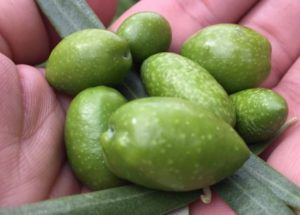
It is the most prevalent variety both in Spain and globally, with approximately 900,000 hectares of land dedicated to its cultivation, mainly concentrated in Jaén, Córdoba, and Granada. Characterized by its distinctive beak-like shape, from which its name derives, this variety is highly valued in olive oil production due to its high fat content and notable resistance to oxidation and heat during the cooking process.
Arbequina
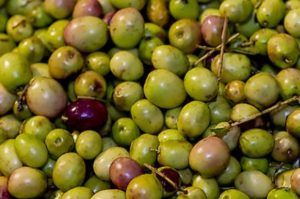
Its initial cultivation originated in Lleida, although it later spread throughout the Catalonia region. The oil produced from the Arbequina variety is distinguished by its sweet flavor, with subtle notes of almond and apple. Due to its low tolerance to oxidation, its consumption is recommended raw, ideal for dressing salads, spreading on bread, and accompanying other foods.
Hojiblanca
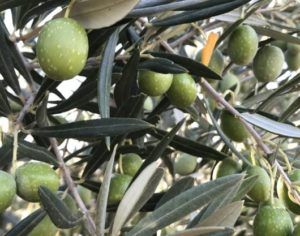
The name of this variety alludes to the whitish tone of its leaves. It stands out for its versatility, as it is used both in oil production and at the table. Its distinctive flavor and aroma evoke the freshness of freshly cut grass, with hints of artichoke and aromatic herbs. On the palate, it presents with a sweet start, followed by a slight bitterness and a spicy finish perceived in a specific area of the mouth.
This variety is common in the central area of Andalusia, mainly covering the north of the province of Málaga, the south of the province of Córdoba, and the east of the province of Sevilla.
Cornicabra
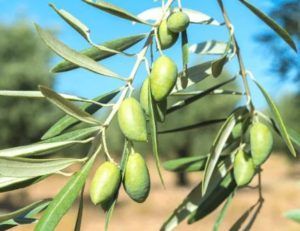 This variety has a characteristic curved shape, and from it, an extra virgin olive oil with a very fruity flavor profile, a slight bitterness, and a highly intense aroma is obtained. It is distinguished by its high quality and is mainly cultivated in dry and cold regions. When tasted, herbaceous notes reminiscent of the freshness of olive leaf can be appreciated.
Royal
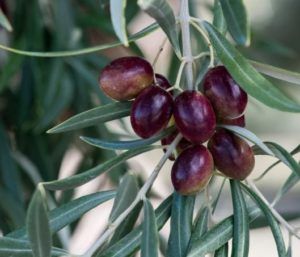 This variety originates from the province of Jaén, and its cultivation is mainly concentrated in the Northern Sierras of the region. It is distinguished by its color, which tends towards reddish tones and its elongated shape, with a notable amount of pulp inside. Additionally, it stands out for its distinctive and unique flavor.
Gordal Sevillana
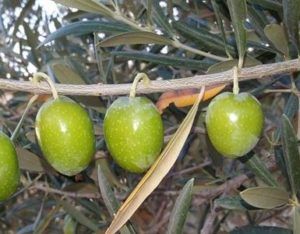 Undoubtedly, this olive variety is one of the most recognized worldwide. The Gordal Sevillana is mainly used in the preparation of table olives, standing out for its impressive size that distinguishes it from other varieties. Originating from Seville, its cultivation has successfully thrived in other regions of the country. However, its low oil production generally excludes it from the production of this product.
Villalonga
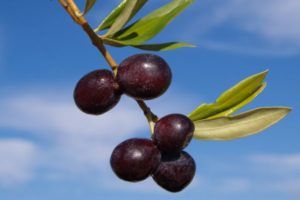 This variety is the emblem of the Valencian Community, present in both the province of Valencia and Alicante. In the Spanish Levant, it is also known as Manzanilla. From this variety, extra virgin olive oils are obtained with an intense fruity aroma, and a slight touch of spiciness and bitterness. Its freshly cut grass, almond, and apple notes stand out.
Verdial de Huévar
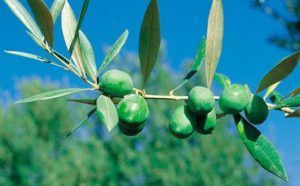 This variety is closely linked to the province of Huelva, although its cultivation also extends to producing areas in the neighboring provinces of Seville and Cádiz. In fact, it is one of the recognized varieties within the Sierra de Cádiz Designation of Origin. The extra virgin oils obtained from it are notably fruity, with intense spiciness and bitterness. Additionally, it is distinguished by its green hues and its marked flavor of green almond and fig.
Castellana
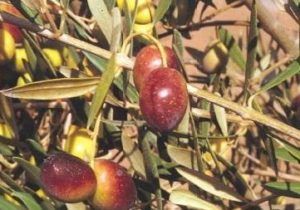 This variety has its roots in Castilla-La Mancha, a region from which it seems to have taken its name. Its cultivation is mainly concentrated in the provinces of Guadalajara, Cuenca, and Madrid. It is the only authorized variety in the production of extra virgin olive oils under the Denomination of Origin Olive Oil from La Alcarria. Oils made from this variety are notably fruity and aromatic, with a distinctive spicy touch. They stand out for their fresh grass and leaf notes, as well as their banana flavor.
Manzanilla de Sevilla
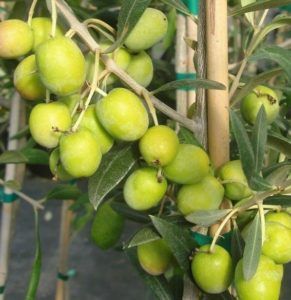 This variety is one of the most prominent in the production of table olives in Spain. Although its cultivation is mainly concentrated in the province of Seville, it is also found in Huelva and Badajoz. In addition to its use on the table, it is also used for the production of oils characterized by a medium fruity profile, with a slight spiciness and bitterness. Its aromas of grass, almond, and fig stand out.
Changlot
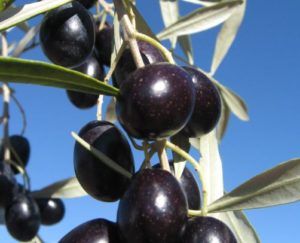 This variety, native to the Spanish Levant, is mainly cultivated in the Valencian Community. It is the source of extra virgin olive oils with a very fruity aroma, intense spiciness, and a smoother bitterness. It stands out for its green notes and tones reminiscent of apple, wood, and almond. It is one of the recognized varieties for the production of extra virgin olive oils under the Denomination of Origin Valencian Community.
Morrut
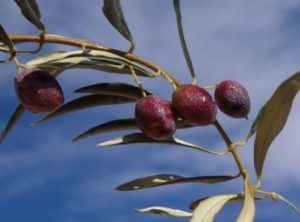 This olive variety is closely linked to the Baix Ebre-Montsiá region, located on the border between the provinces of Castellón and Tarragona, where it is also known as morruda. It is one of the recognized varieties within the Oli del Baix Ebre-Montsiá Designation of Origin, along with the sevillenca and the farga. Oils produced from this variety are notably fruity, with a perceptible spiciness and a light bitterness. Almond and green apple flavors predominate in this variety.
Alfafara
 This olive variety, named Alfafara after the Alicante town it comes from, is also known as alfafarenca in the Spanish Levante region. Cultivated not only in its original province but also in Valencia and Albacete, this strain produces extra virgin olive oils with a perfect balance between bitterness and spiciness. As for aroma, it is distinguished by its notes of banana and ripe tomato.
Verdial de Badajoz
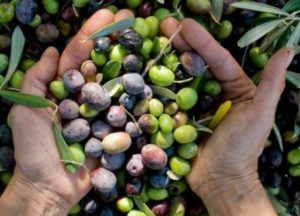 This variety, characteristic of Extremadura and cultivated in both Badajoz and Cáceres, is one of the numerous verdiales found in Spanish olive groves, each identified by its cultivation area. The verdial de Badajoz produces virgin oils with a medium-high fruity profile, standing out in the mouth for its notes of almond and ripe fruits. It presents a slight bitterness accompanied by a more pronounced spiciness, resulting in a slightly sweet oil.
Morisca
 This variety is known for its late ripening but moderate resistance to dropping. In terms of appearance, it is characterized by medium vigor, a weeping posture, and a dense canopy. Its leaves are long and flat, while its fruits are rounded and heavy, partly due to the pit. This combination of characteristics makes it versatile in its use: its generous-sized fruits make it suitable for consumption as a table olive, especially when dressed green, and it is also ideal for oil production due to its high productivity.
Farga
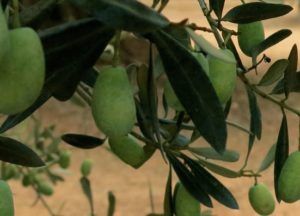 Mainly cultivated in Castellón and Tarragona, and to a lesser extent in Lleida, this variety produces extra virgin olive oils with an intense flavor, standing out for its notes reminiscent of both almond and walnut.
Blanqueta
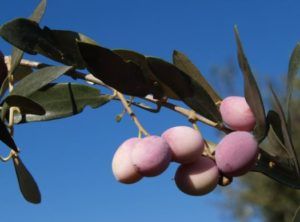 Native to the Spanish Levante, this variety is especially prominent in the province of Alicante, although it is also cultivated in Valencia, Murcia, and Albacete. Its name refers to the milky tone of its olives. Oils produced from this variety are recognized for their intense fruity aroma, pronounced spiciness, and marked bitterness.
Empeltre
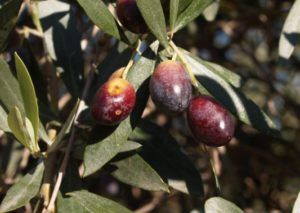 This variety, widely spread in Spain, is especially common in Aragon, but is also found in the Balearic Islands, Castellón, Tarragona, and Navarra. Its name comes from the Catalan word “empelt,” which refers to the grafts used in its cultivation.
Oils produced from this variety are characteristically sweet, with a slight bitterness and spiciness, and an intense fruity profile highlighted by the distinctive flavor of green apple and almond.
Lechín de Sevilla
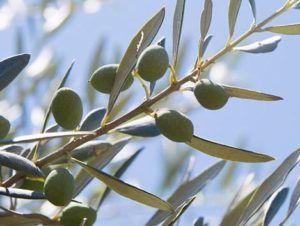 This variety is widely cultivated in Andalusia, with a notable presence in the province of Seville and also in Córdoba, Cádiz, and Málaga. Extra virgin oils from this strain are distinguished by their balance between green tones, spiciness, and bitterness, being very fruity in profile.
Aloreña

This variety is characteristic of the province of Málaga. The oil it produces has a light green color and an aroma dominated by green fruit and grass.
Picudo
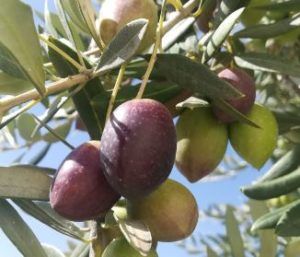 This variety is one of the main among Andalusian olives, with a prominent presence in the provinces of Córdoba, Granada, Málaga, and Jaén. Although its name is similar, it is clearly a distinct variety from the picual. Its designation comes from the pronounced nipple formed at the end of the fruit.
Oils produced from this variety are notably aromatic, with a green fruity flavor that presents nuances of green apple and olive leaf.
Sevillenca
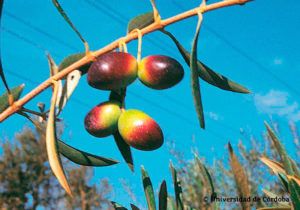 This variety is mainly cultivated in the provinces of Tarragona and Castellón. Its olives produce extra virgin olive oils that are sweet and very fruity, with a slight bitterness and a noticeable spiciness. In terms of flavor, green apple and banana notes stand out.
How are the different types of olives utilized?
The constant technological innovations in the olive oil and olive pomace oil production process are increasingly improving the optimization of the generated by-products, leading to a reduction in environmental impact.
After oil extraction, all olive residues are utilized in several ways:
1. Alperujo, a paste composed of water, skin, pit, and oil residues, is used in obtaining Olive Pomace Oil and also as biomass to generate electricity or as animal feed.
2. Orujillo, produced during the drying and extraction process of fatty olive pomace, is used as biomass for self-consumption or in power plants.
3. Olive pit, along with orujillo, is valuable biomass due to its low moisture content, high calorific value, and low environmental impact.
4. Hojín, composed of leaf and fine branch residues, is used for animal feed, compost production, and biomass generation in power plants.
5. In addition, the industry obtains high-value-added compounds, such as phenols, with nutritional and cosmetic applications highly appreciated by the pharmaceutical industry, highlighting hydroxytyrosol.
These examples demonstrate how the production of olive oil and olive pomace oil is a clear example of circular economy and environmental sustainability, maximizing resources and reducing environmental impact. This results in high-quality products with added value, environmental benefits, and excellent gastronomic properties, making it an optimal choice for frying and other culinary uses.
I hope you enjoyed this article about the types of olives we have in Spain. If you’re interested, don’t forget to visit our section on Aceitunas de Antequera. You’ll love it 🙂
 (Ninguna valoración todavía)
 Loading...